

“I am a Malay.” “I am an Indian.” “I am a Chinese.” “ I am a Chindian.” “I am Hispanic.” “I am Caucasian.” “I am African American.” “I am transgender.” “I am gay.” “I am non-binary.” “I am a Christian.” “I am a Buddhist.” “I have no religion.” “I do not believe in labels.” “I would rather keep that to myself.” “I am still figuring that out.” “Is this an important question?”…
We could go on and on with how we identify ourselves… So who are we really? What is the connection we have among each other?
We ask ourselves these questions every single time a moment of epiphany hits us while we ponder about life’s biggest questions. Sometimes we dive in way too deep into the abyss of our minds, and we start to think, who am I? What makes us different? How did we end up here? I may sound like a crazy person talking about it, but it is a legitimate question we all tend to ask without even realizing it, and maybe would want to hear an answer.
My family is the definition of a cultural melting pot. Both my parents are from different states in Malaysia, with a plethora of races and religious backgrounds all bound into one. You could say we make up the pallet for the creation of a rainbow. My brothers and I grew up learning the history of where our families came from. My mother is a child born out of three races. She is of Chinese, Malay, and Sri Lankan descent. Quite the mixture if you ask me. As far as her family knows, they believe her Chinese ancestors came all the way from the Sichuan province in China. She would always tell us stories of how it was like to grow up in a family of multi races. I loved the story of how our great great great grandmother who was a foot binder, chewed tobacco, wore silk Sam Fus, and put her hair in a bun with a sparkly studded clip everyday. To me, I felt she was a straight up boss lady who strutted her stuff and never took any crap from anyone. My mother even told the story of how she would avoid the front entrance of her great great grandmother’s Courtyard House in Malacca when she was a kid, because she was scared to pass the coffin and Chinese altar. The culture experience did not stop there. As my mother was ready to tie the knot with my father, she had a huge headache of trying to cater for her Chinese, Malay, and Indian relatives for her wedding feast and wedding attire all at the same time.
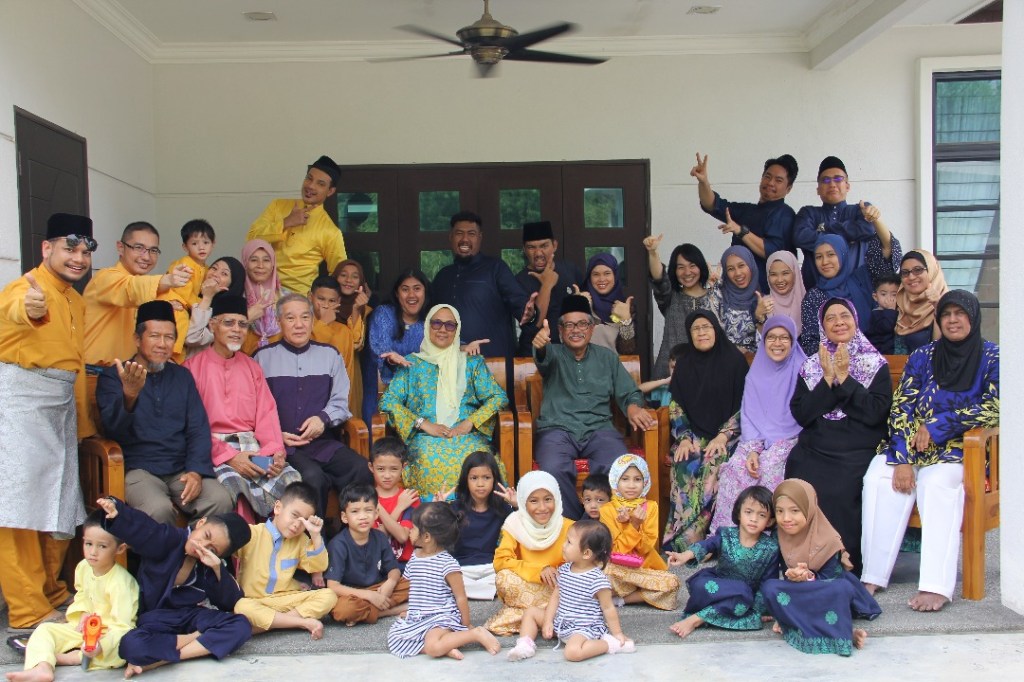
My father’s family tree on the other hand is on a whole different level. A globetrotter of a family ranging from Muslim preachers and traders from Yemen, to merchant ship captains sailing around the Straits of Malacca and the South China Sea. His stories felt like blockbuster movies you’d see of traders in the Far East or history books which could be found in Britannica’s library. His favorite story to tell is of my great great grandfather, merchant ship captain, Captain Yahya, who traveled to countries such as Indonesia, Singapore, and Thailand. Not to mention, when he made port in Singapore, that’s where my great grandmother was conceived. My father would always make a joke where he would not be surprised if his great grandfather had a wife at every port he came to. Listening to my dad telling us the history of how our family came to be always left us with eyes gaping and jaws dropping from astonishment.
The stories our parents tell us have always left us intrigued about our ancestors, and sometimes leaving us in tears, together with a belly ache from laughing too hard. As much laughter and heartwarming stories my mother would tell, at the end of it, she would always remind us of how we should never judge a person regardless of their race, religion, gender, or beliefs. Her reason? These are her words, “What makes you think you are better than the rest of the world? What runs through your body right now? It’s blood correct? What color is it compared to everyone else? Your blood color is just the same as everyone else and when we leave this earth, we go the same way. Stay humble and have respect for one another.” Her explanation became a life lesson my brothers and I have held onto dearly.
We live in a world where labels have become part of the norm, so much so, it has been abused. To me labels are fine. Go ahead and call yourself a Malay, Chinese, or Hispanic; there is nothing wrong with it. You should be proud of who you are and where you came from, but once you start using it as a form of abuse, I believe it to be unacceptable behavior. Not only is it offensive, but it is a shameful act. Lately since I have been back in my home country Malaysia, I tend to hear hateful and hurtful comments such as if you are a certain race, you get benefits, or your race causes many issues to the public. I think to myself and wonder, how is passing these vulgar comments considered acceptable in our society? We talk about being a country of unity with our 1Malaysia campaign and Malaysia 2020, heading to an industrialized nation supposedly, and yet we still degrade each other by our skin color, race, gender, and personal views. With the attitude we have, it honestly sets us back in time by passing crude comments just for a little taste of ego pie. Is it worth it? Ponder on that for just a little.
Honestly, what makes us so different to the point where hierarchy beats all reasons such as being human, or how we bleed the same color? How did we end up in this state? Money? Power? Political views? Old-fashioned jealousy? I guess picking your poison is the literal translation for the bickering and confrontations we see among our own citizens here in Malaysia, or anywhere in the world. We let outside entities play a huge part in how we live our lives to the point where basic human decency ceases to exist in our daily conversations and actions. I understand that these entities are what has shaped and transformed our civilization for the better, but does it have to change us in forgetting where we come from or how to still be a decent human being? It does not hurt to hold the door for someone, or even give a smile to a stranger in passing. I feel we have lost the very foundation of human interaction and the ability to hold a conversation without squabbling over controversial topics, and to agree to disagree in a civil manner. I hate to say it, but the rise of social media and technology played a small role as to how we ended up being screen communicators instead of talking to someone in person. I’ll admit I do have my fair share of screen time, but at the end of the day, I still put my phone away when I have to, because I know human interaction matters more than just staring at my phone all day.
We in Malaysia talk about how religion is one of the very essence of our existence and civilisation. If you ask me, our biggest problem here is how we think a certain race or religion holds leadership, or to put it in simple words, wears the pants in the relationship. We have this mentality of where if we mix with another religion, they might have the intention of asking us to switch our beliefs, and weaken our faith. Pardon my language, but to me that is a load of BS. I learned a greater lesson back in 2017 of where faith is never bound to one religion. I learned how faith is what’s true in our hearts, and not solely by our religious beliefs. My parents raised me to respect all religions regardless of what their beliefs are, but that very year in 2017, it made me embrace the true beauty of it even more.
My brother was diagnosed with Metastatic Ewing Sarcoma at the age of 28 in April 2017. He received his medical care at UCSF Benioff Children’s Hospital in San Francisco for a year before he reached his finish line and ended his fight in June 2018. Even though he was only able to fight for his life for such a short period before leaving us, we were able to witness the true meaning of human interaction within that year. My family and I crossed paths with wonderful and beautiful at heart individuals during that trying period. Bear with me, the story is a little long, but it has such an impact as to where we should all stand by when it comes to having faith.

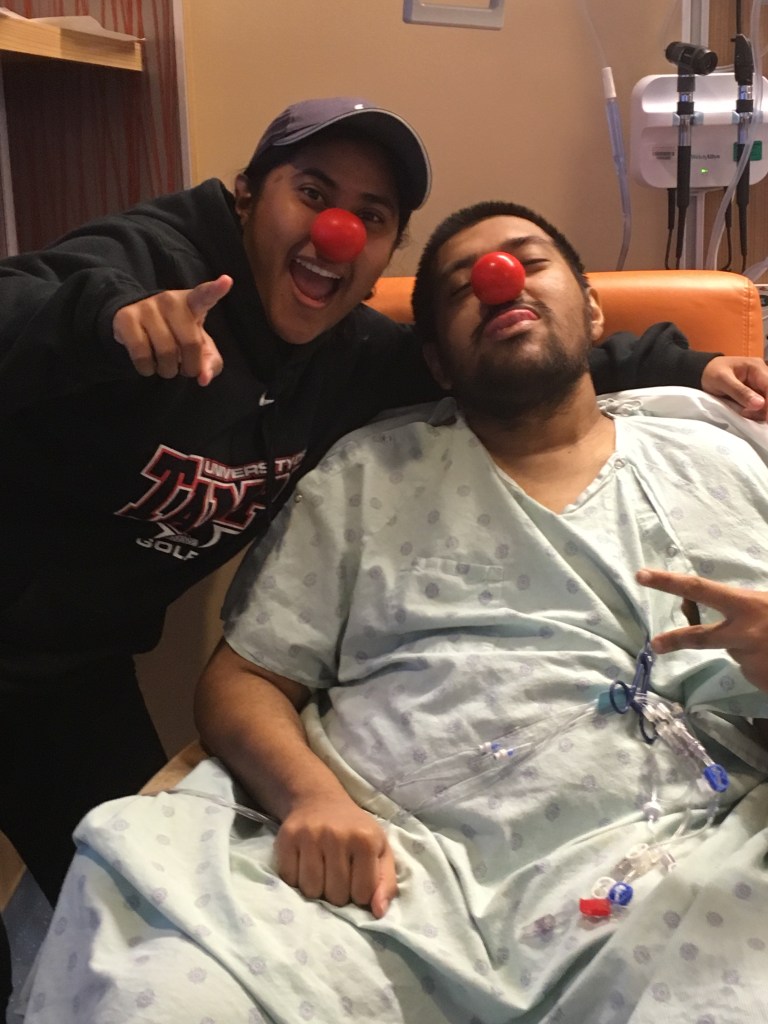
The very moment I found out my brother had cancer, I had no idea of what to do. Our parents and brother were all the way back in Malaysia and it was just me and him in the United States. By default, I became his primary caregiver. The only thing running through my mind was that I needed to get to him. I took the first flight out right after school on a Friday from San Diego to San Francisco. I was beyond scared because I was tossed into the deep end and had to find my way back to shore. That particular weekend was an emotional rollercoaster. I had to learn how to take care of him and also take responsibility of his medication when it came down to the nitty gritty if things went south. The only salvation I had from the hospital was the family area down the hall from his room. I sat there for a moment to clear my head, and a lady walked in to heat up her lunch. We made eye contact and smiled at each other.
Later on she turned around and asked me, “Who are you here for?”
I responded, “My brother. He just got diagnosed this week with Ewing Sarcoma. What about you?”
She looked at me with a faint smile and said, ”My son. He has a tumor in his brain.”
It was quiet for a moment as reality had sunk in for the both of us. She then looked at me and asked,”What is your brother’s name?”
I said, “Mohamad Haikal Afiq.”
She came up to me, gave me a hug and said, “I am going to Church later today. I will pray for your brother.”
This was a lady I had just met, had no contact with, and yet she offered her hand to provide strength and faith for my brother. We come from different parts of the world, and are of different religious and cultural backgrounds, but yet we put all things aside and focused on being kind to one another. It did not matter if I was a Muslim and she was a Christian. It did not matter that she was African American, and I was Asian. What mattered was the kindness we had for each other. That my friends is what we need more in this world.
If we really want to dive in deep with the hardcore religious beliefs, we can dabble in that as well. The hospital provides chaplains should there be a need for last rights or just someone to talk to. They had chaplains who came to the rooms daily and offered prayers, regardless if you were Muslim, Jewish, or other faiths. Their sole purpose is to provide comfort, and warmth without having religion be a huge part of their assignment. Reverend Jun came into our room one day and offered us his daily prayer, and to talk to us should there need be.
After he was done with his prayer, he looked at our brother who flew all the way from Malaysia to help, and said, “If you wish to perform your Friday prayers, we have a prayer room downstairs with the kiblat for our Muslim families.”
Just let that settle into your mind for a moment. Need I say more to justify my intentions of this letter to the world? This is a country where Islam has had its share of misunderstandings due to a few bad apples who misinterpreted the holy texts and executed despicable things. However the thought for caring and understanding where people stand, they sit at a much higher level compared to our people here in Malaysia. Yes, that is right. I have no shame in putting my two cents in of where Malaysia is as a country, compared to when I left for the United States. Honestly, it is truly disheartening to see when Malaysia is supposedly to be a melting pot of all different races, religions, and culture, which should be nurtured to the maximum for the world to emulate. Instead we have a fair amount of women nurses who do not want to touch a male patient, just because they view it as not permissible to do so in their religion. If that is the way your cookie crumbles, then by God you should not even be a nurse for that matter. We are light years away from becoming a country of unity if this is the mentality we wish to stay in.
In Islam, it states how you should always help a person during “Darurat” regardless of the situation, whether it be to provide aid to a person who is in need of assistance, or even an animal who has lost its way. The definition of Darurat is known as a state of emergency. If someone goes to the hospital, it means they are in a state of an emergency and requires medical attention. Like I mention before, a few tend to misinterpret the holy text, and overshadow the true meaning of it. With what my family and I have experienced in the United States during my brother’s treatment, I believe the people there understand and embrace the beautiful connotation of Darurat better than our Muslim brothers and sisters here in Malaysia, even if they do not know such a word exist in the language vocabulary. My father loved to use a quote by Muhammad Abduh, who was an Egyptian religious scholar, jurist, and liberal reformer in his explanation of religion. Muhammad Abduh’s quote was, “I went to the West and saw Islam, but no Muslims; I got back to the East and saw Muslims, but not Islam.” Simple yet powerful to state the truth and experience of what we went through, and I would not be surprised, many who have read this far would have seen and experienced it too.
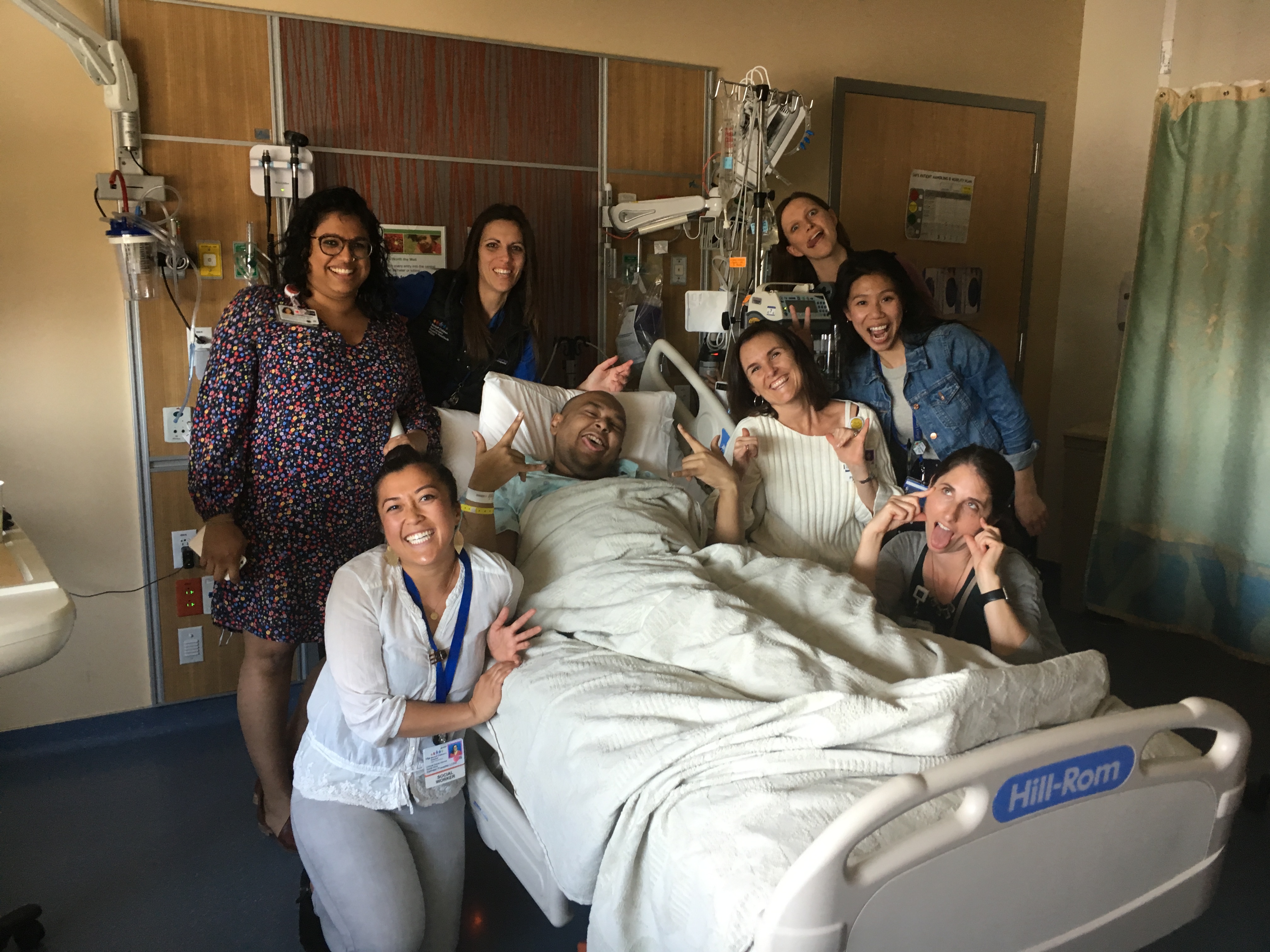
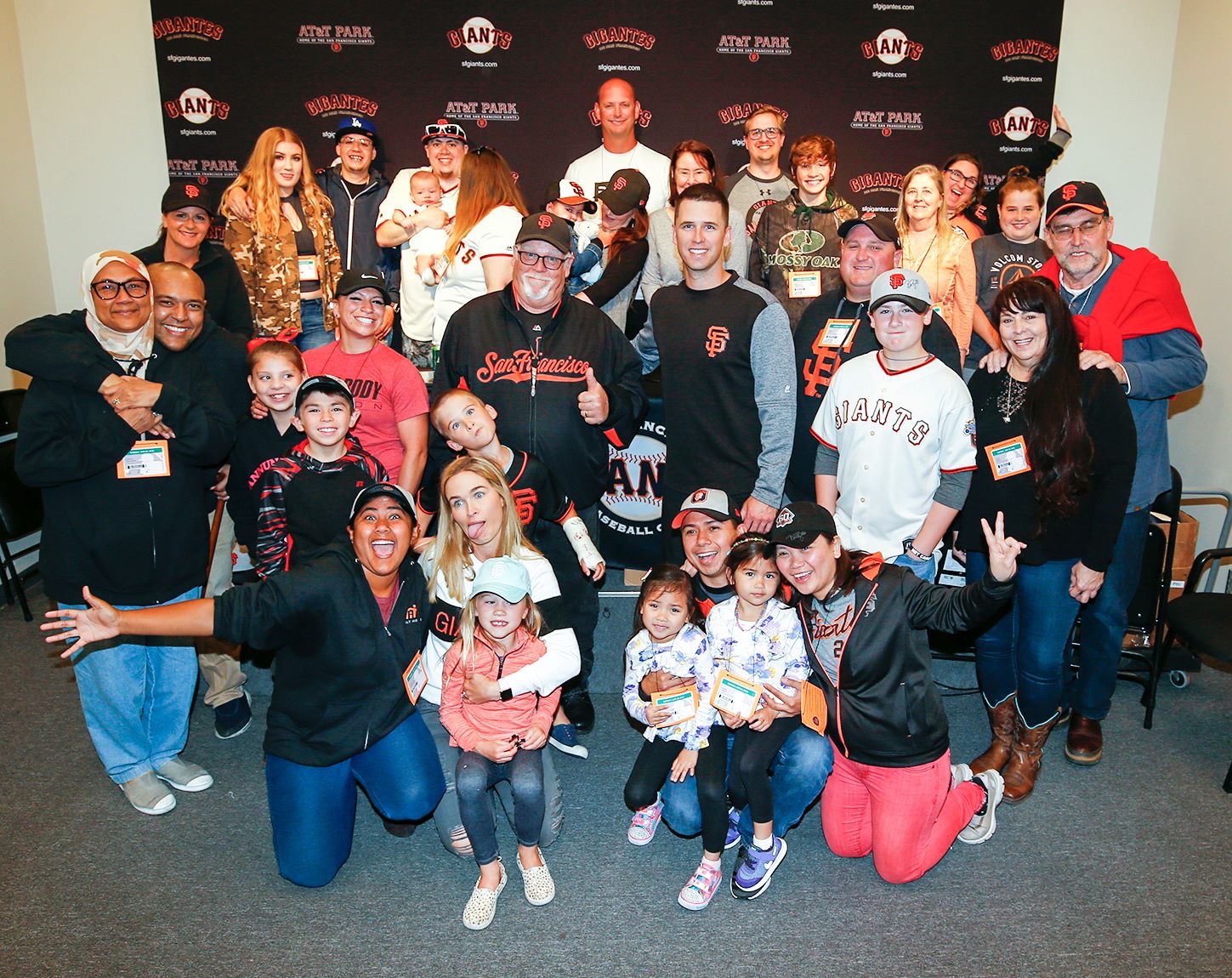
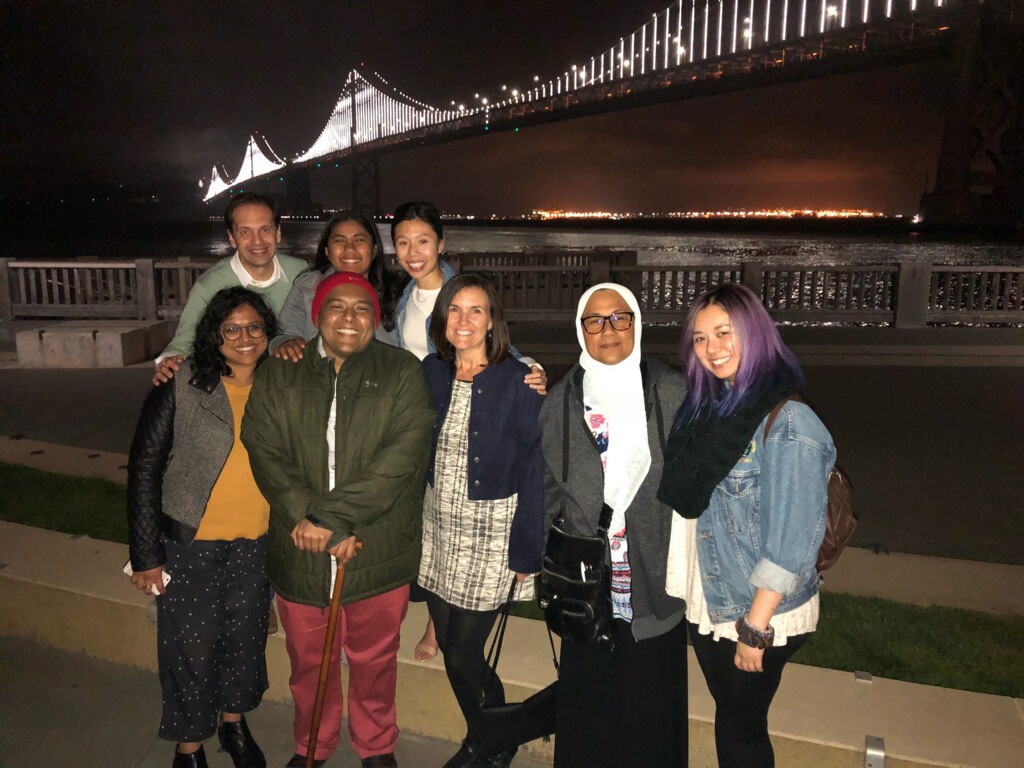
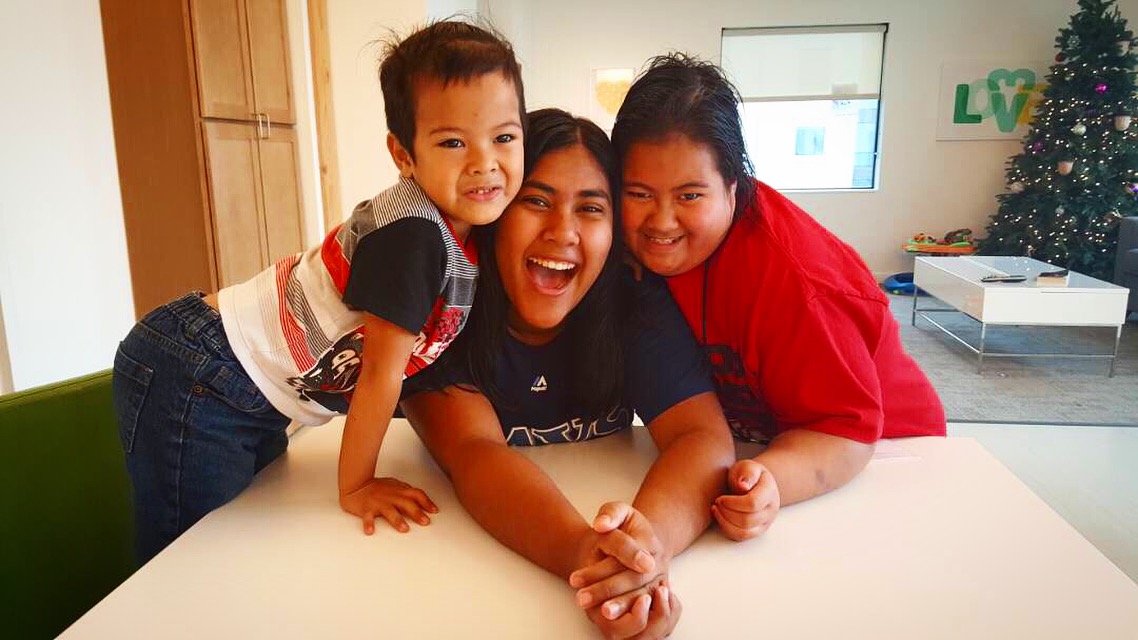
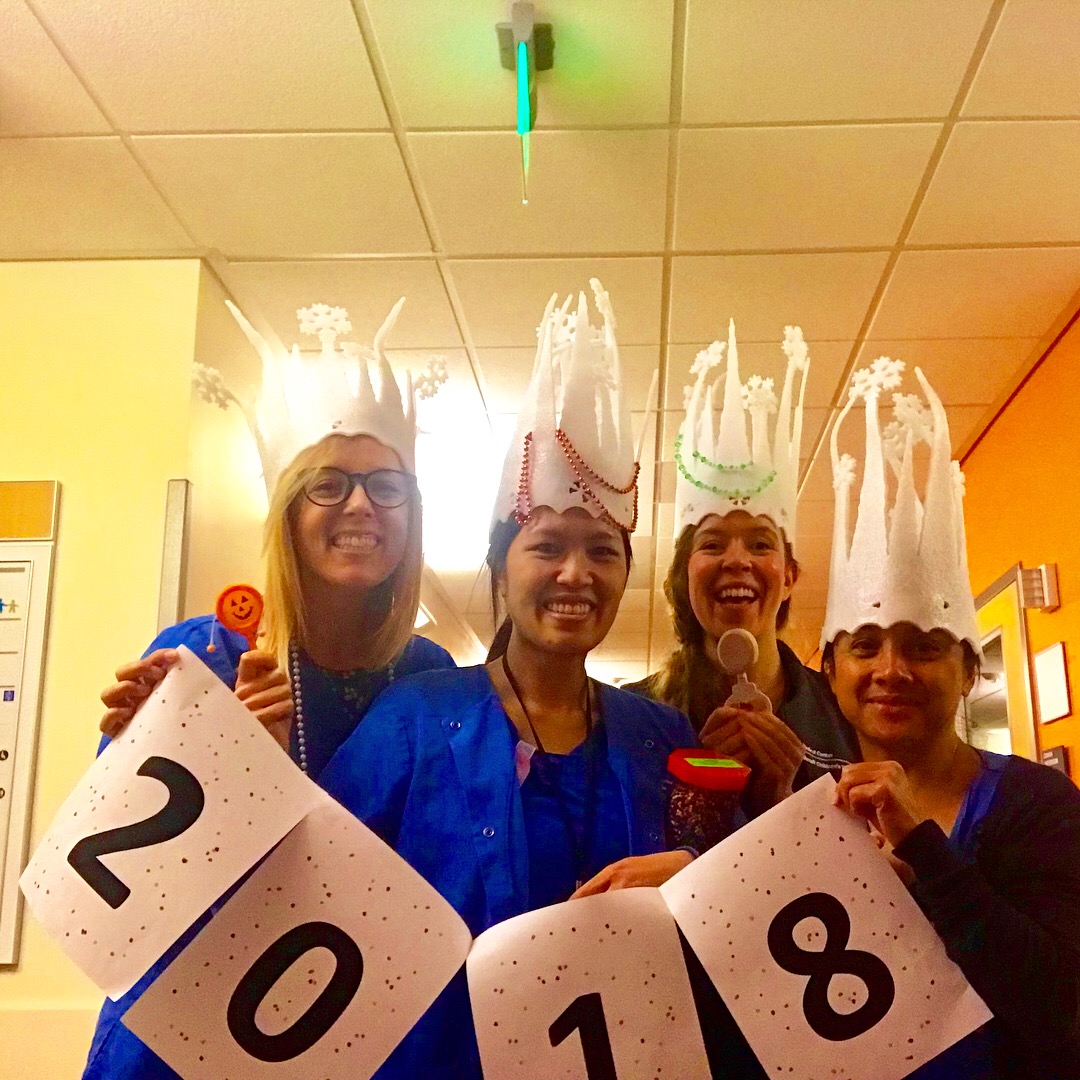
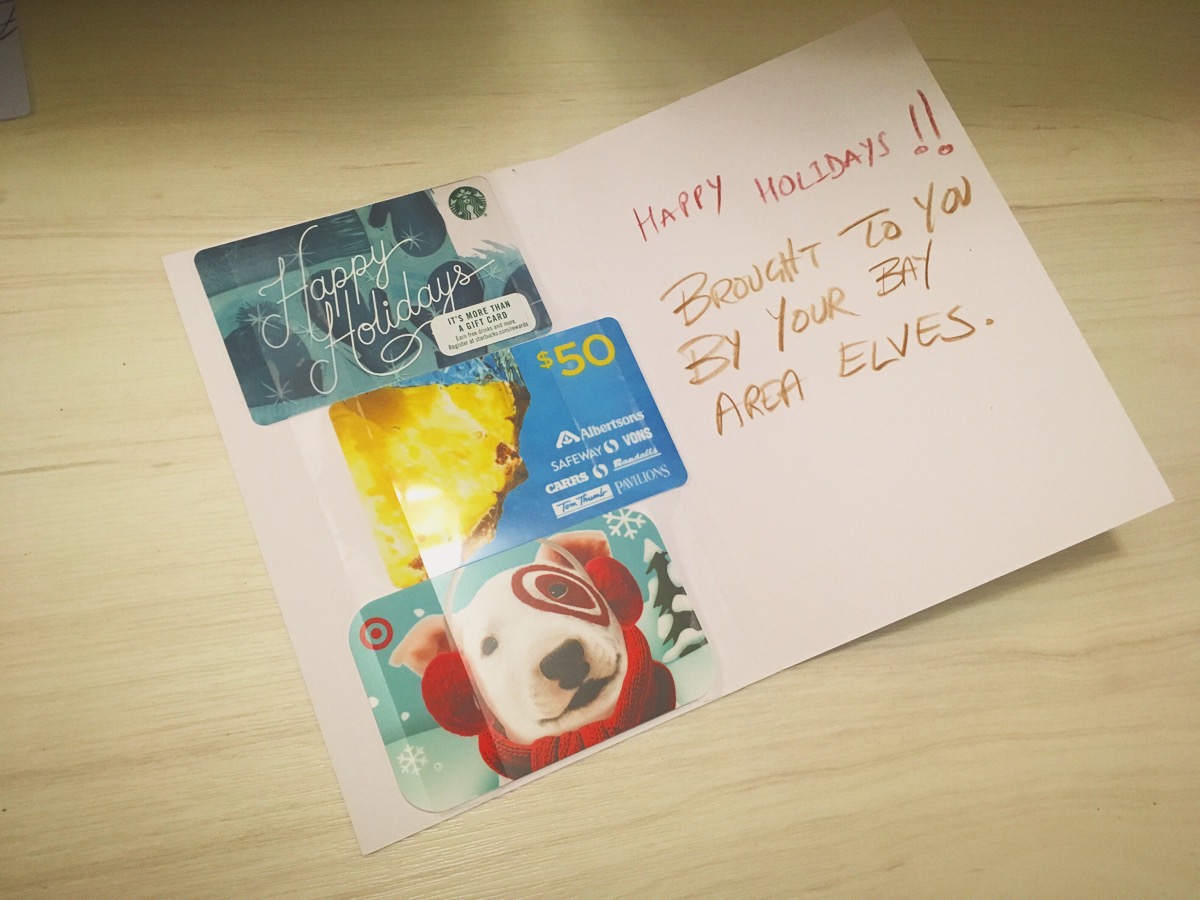
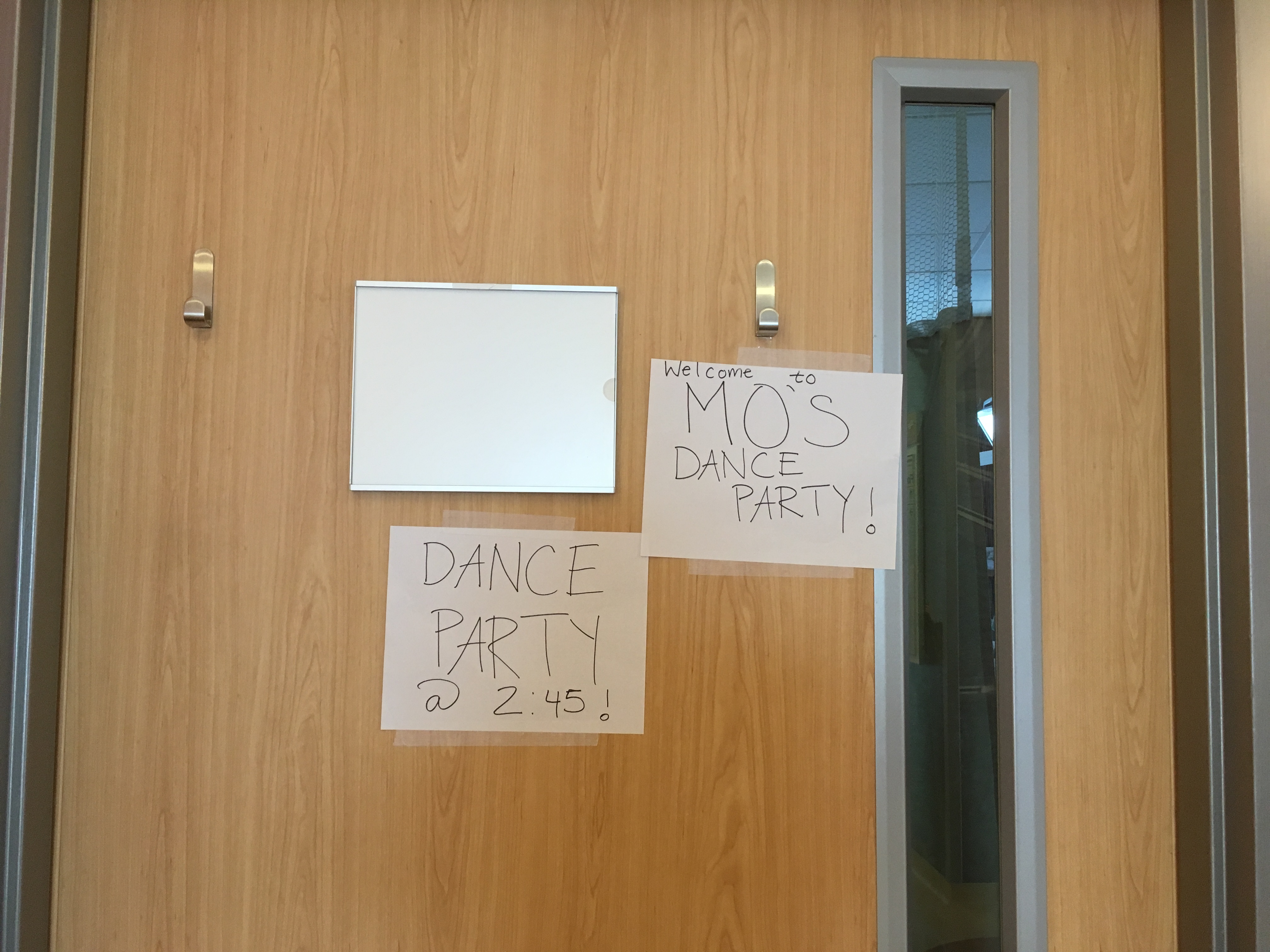
The lady and chaplains were just a small part of our journey. Our doctors and caregivers who came from different backgrounds and faith became family to us. My brother’s doctors, Dr. Vo, Dr. Neela, Dr. Anne, Dr. Braunstein, Dr. Teymour, and Dr. Jori, who spent countless hours to prepare his treatment plans. His nurse practitioner, Cindy, who was our momma when our mum could not be there due to logistical issues. Our brilliant social worker Kathleen, who saved us from financial woes when it came to his treatment, putting our hearts at ease in regards to his medical bills, and saving time to even make ice cream with us. The chaplains, Reverend Will and Reverend Jun, who visited patients daily to offer prayers and comfort. The Posey family, who provided undivided attention to all families who needed a break from being in the hospital, by providing seats for us to enjoy America’s greatest past time at the ball park. To the families we met along the way, it has been a true blessing to meet such positive people who still know how to laugh in difficult times. Let’s not forget about the nurses, patient caregivers, therapists and Family House staff, Sandra, Peter, Kristen, Monique, Beryl, Sarah, Dwayne, Tracy, Maggie, Jennifer, Matthew, and many others who we are forever grateful for. They were the ones who gave their full attention to us regardless of time and day. Last but not least, UCSF’s very own lovable service dog Momo, who always made everyone light up when she walks into the room. These beautiful individuals were the ones who provided nothing but unconditional support and love for us when we needed help. They did not see us any different than just people who required a shoulder to cry on or even just to have small talk.
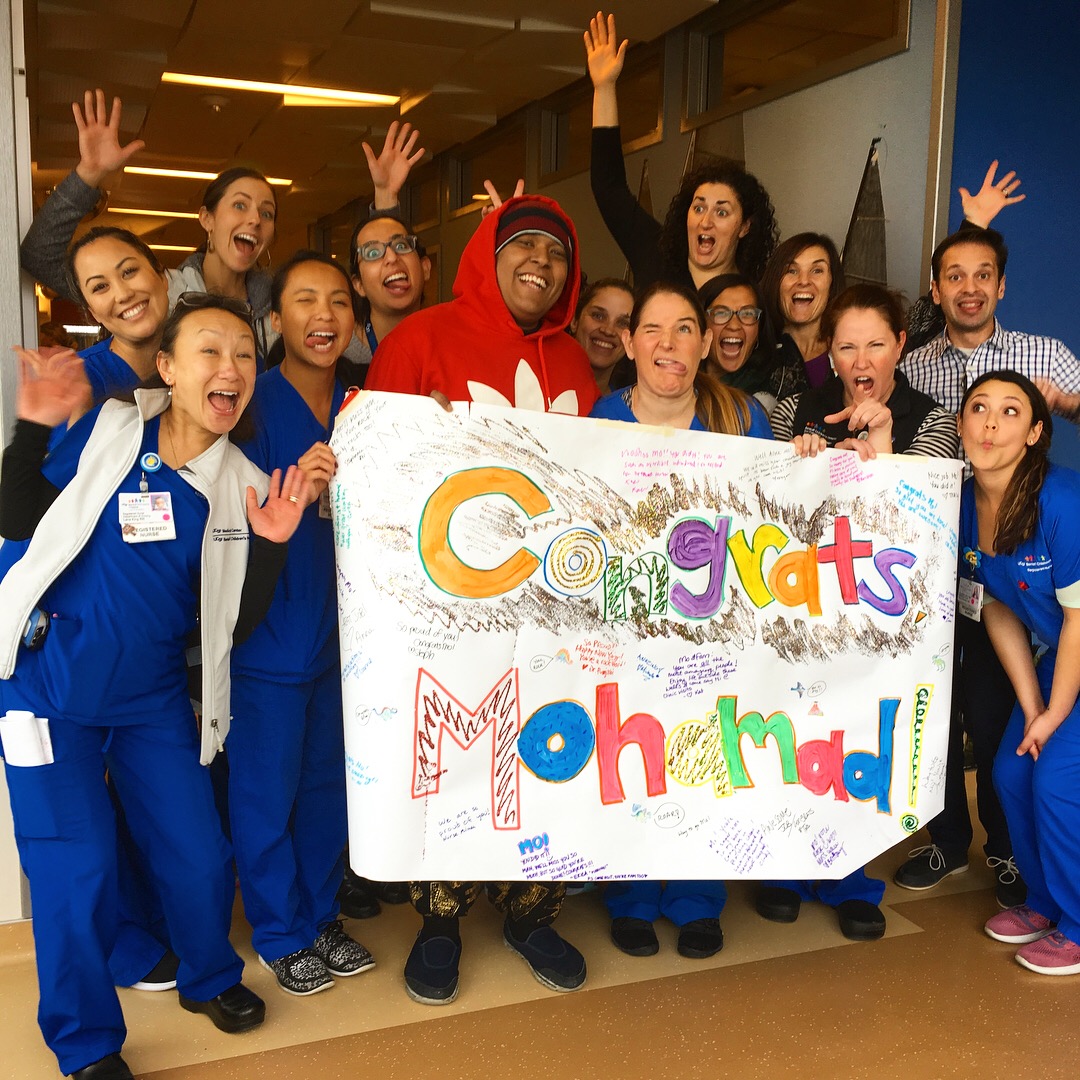
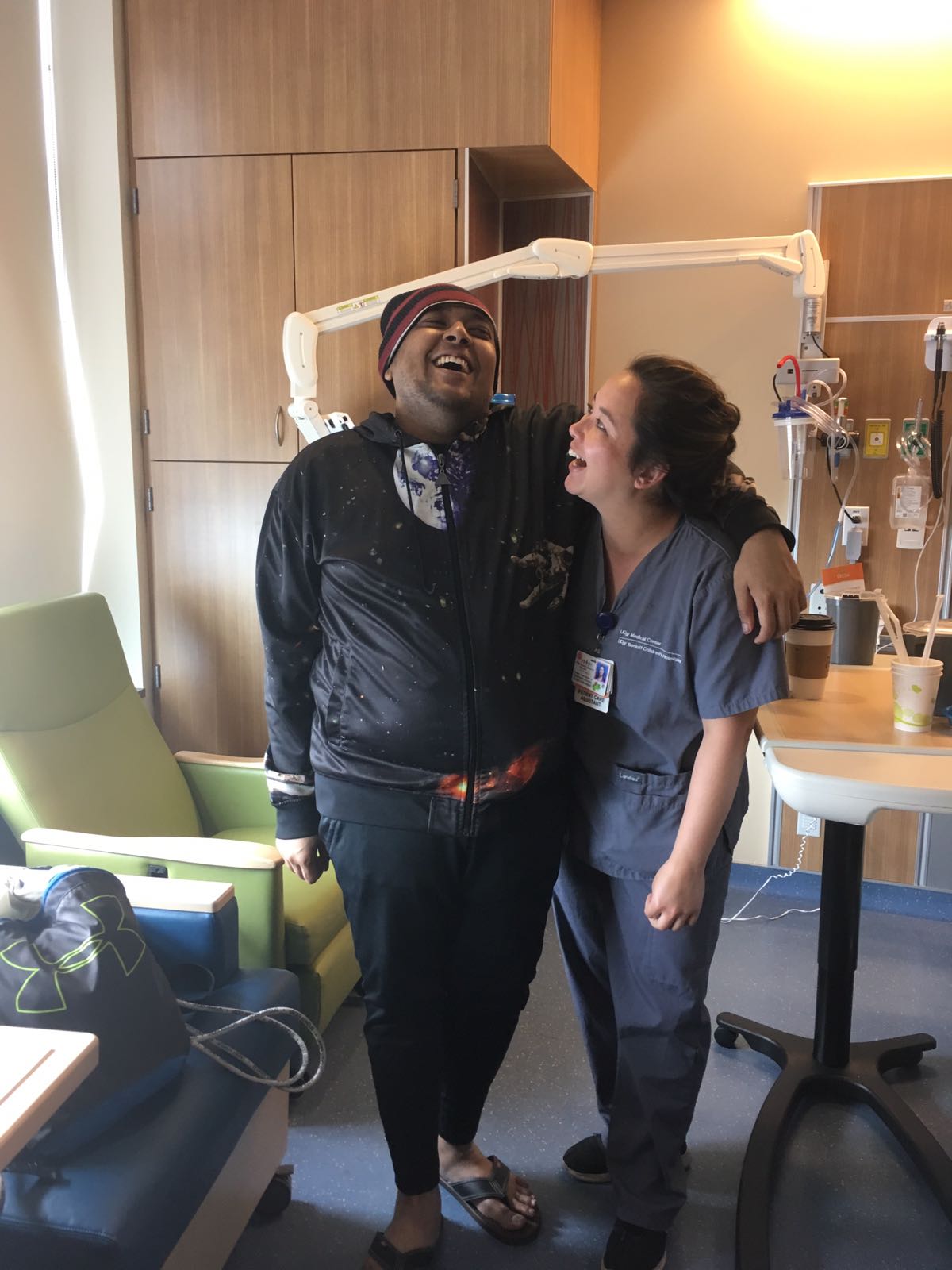








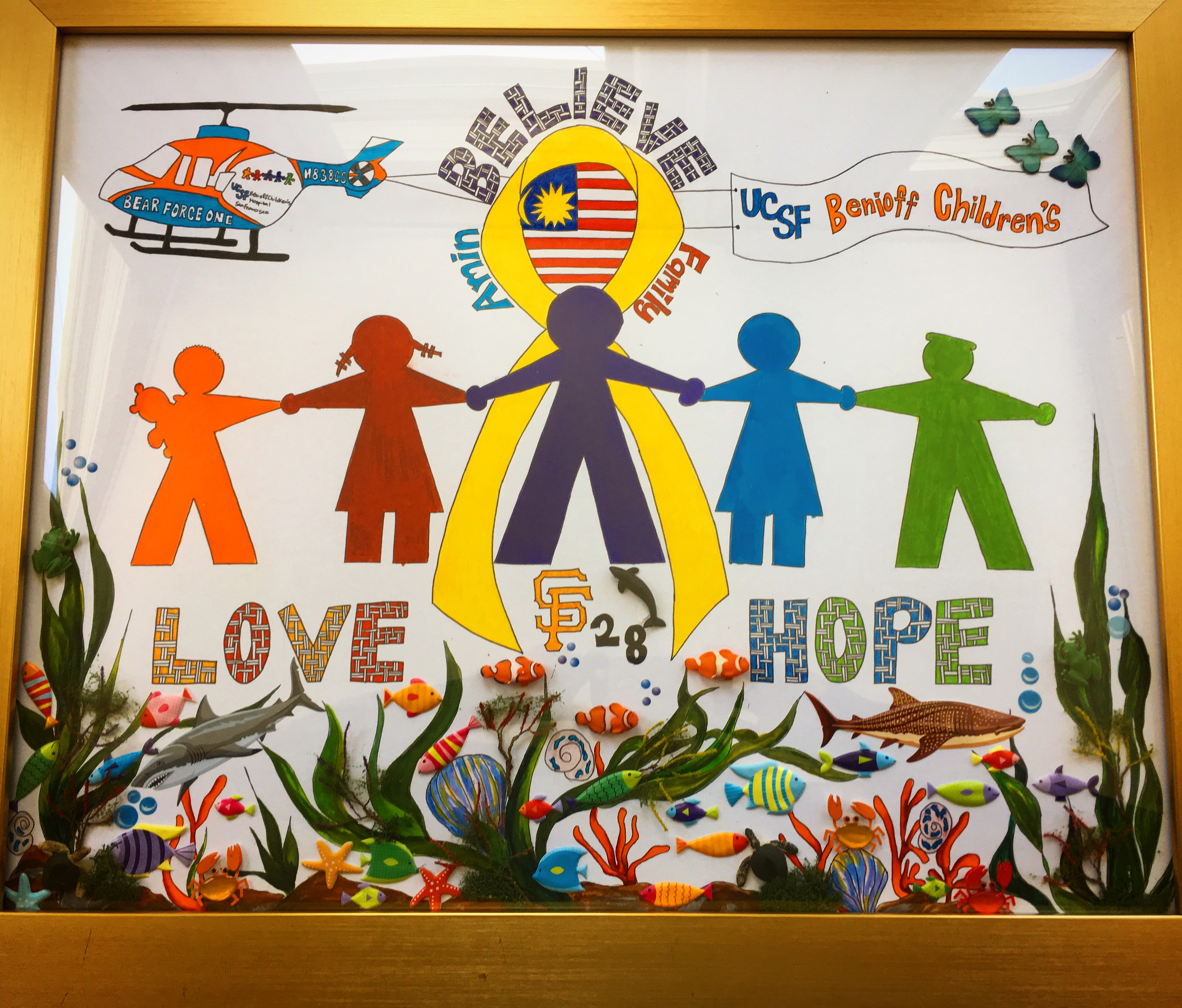
To sum it all up, I believe by having empathy and good ol’ kindness on your side of the ring, it overshadows hate, racism, and many other forms of discrimination. I personally think we are capable of adding a gist of that in our daily lives to suppress the hate we see today. In this day an age everyone talks about how social media is the key to spread awareness. To a certain extent I believe it to be true. Everyone is technologically bound as a source of communicating with people who may not be in the same continent as you. However, sometimes when we want to voice our opinion, it easily fizzes out after a mere comradery discussion with other internet users who are on the same page as you. I personally believe it should be a combination of both social media and meeting people in person to make a change. I may just be one person who is speaking about it now and asking for change, but rest assured, never underestimate the power of word of mouth. The more people talk about it, the higher chances of us being heard, and we as a nation will be a force to be reckoned with.
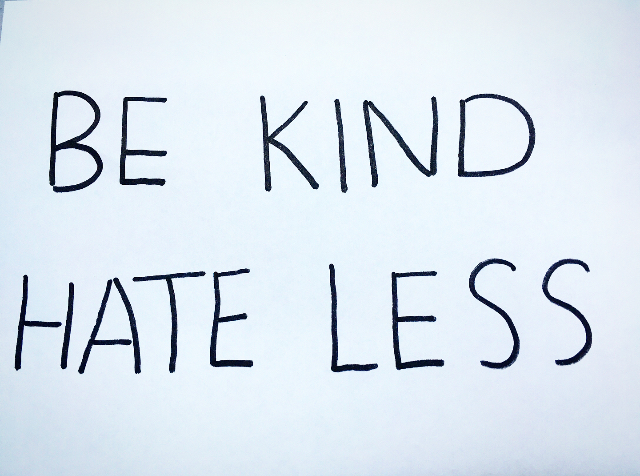
So do not be afraid. Speak up, and fight intellectually, with a civic conscience. You kill hatred and discrimination by stating the truth without using vulgarity. Community is not the only form of unification of humility and humanity without borders. It is the Color of Blood, which is undoubtedly the glue, because it is “red”, and omnipresent in everyone, human or animal.
 World Footprint
Hi Fatin you are 100 percent correct about the colour of our blood it’s always red no matter what race you are except it has different shades depending on it’s oxygen content same like skin colour depending on the amount of your pigment melanin. Keep up the good job Girl.
LikeLiked by 1 person
Thanks Doc! Next up our book 👍🏻
LikeLiked by 1 person
Looking forward for it Girl
LikeLike